My grandmother, Vivian, grew up in a Jewish orphanage in San Francisco, sent there with her sisters by their father after the death of their mother. This, my great-grandfather assessed, was the best he could do for his girls. The women in charge would do better for them than he could. He was a struggling haberdasher nearing the end of the first decade of the 1900s.
My grandmother didn’t like to talk about her time in orphanage. The youngest of the three girls she was left behind when the other two married early to escape. She made a few intermittent stops but by the end of 1930s she was settled in Redwood City, CA, then a small town on the Peninsula, south of the big City. A place that boasted “Climate Best by Government Test”, as well as the oldest and largest Independence Day parade in the state.
I have no actual evidence that either statement is true but when you’re homegrown,  you go with it. I grew up there and never missed that parade. Each year my dad took us downtown to see the marching bands, baton twirlers, mounted regiments, floats, veterans, scouts, and color guards strut proudly down Main Street and Broadway as we wriggled through the crowd for a better view. As long as my grandmother lived in Redwood City, we stopped at her place to take her with us.
She was an old-fashioned patriot. She could be moved to tears at the playing of the National Anthem. For one who saw so much pain in her early life she told me many times her saddest days occurred at the news of the murders of John and Robert Kennedy. I saw her cry with grief, outrage, and defeat when Martin Luther King, Jr. was killed. Heinous acts committed against patriots, men who died for their country. She considered these the darkest days of the nation because they were “inside jobs”. Americans killed by Americans.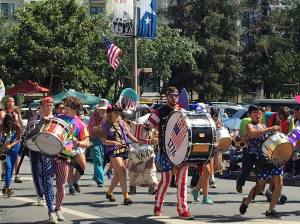
Each time the flag would pass our outpost on parade day, my grandmother would stand, remove her hat, and put her hand over her heart. For every bar of the Star Spangled Banner she stood, posture erect, until the last note had rung through the crowd.
Not to make light, but imagine how many times at an Independence Day parade the flag would pass and the anthem play. My grandmother was a human jumping bean. Amazing reflex action for an old woman. My dad, her son, and my brothers and I all followed her lead, without question, because it was proper. With her on that day, we were all patriots, thanking the men and women everywhere throughout the years for the gift of freedom.
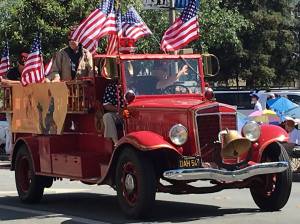 No doubt this daughter of eastern European emigre, born the year after the big quake of ’06, raised in an orphanage, having survived the Great Depression and two world wars, understood better than I ever will the meaning of the day. She understood the depth of courage and decency, resilience and devotion to freedom that parade represented, and all the parades throughout the USA, in cities and townships, villages and suburbs. On floats and in wagons. Fancy and not.
She didn’t live long enough to meet my son. Had she, she would have seen us walk from our house to downtown on July 4th each year. She would have witnessed him skating the parade route selling Boy Scout flags to bystanders, the fourth generation to carry out our annual tradition at the state’s largest and oldest parade.
I now realize that what I have held as a family event, is a trek which renews our ties to each other and our tradition, and also to our community, city, and country. In the generational repetition the lines have blurred between personal and national history. They are intertwined.
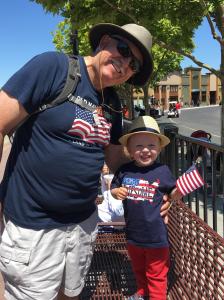
The little girl from the orphanage created the family she longed for and the tethers she craved. Each time the flag passes before us in the city where (apparently) climate is best by government test, we will stand as though no other possibility exists as we will again for the National Anthem. Many, many times. We will stand for the patriots who came before, and for my grandmother.
What are your family traditions? Stories? Menus? Rituals? Just please don’t tell me your parade is larger or weather better. You know it would break my heart.
Enjoy your holiday weekend. Be safe. Please remember those who sacrificed all for all we have today.
 Peanut butter sandwiches with Olallieberry jam and a little mac salad on the side. Daily lunch when staying with my grandparents during the hot summers in Santa Rosa.
 Just like her. A free spirit and free-thinker in a generation unfamiliar with and unwelcoming to either quality in women, as if it weren’t difficult enough to be Jewish and raised in an orphanage. Or, maybe because of.
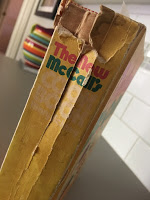
 Cooking School. Then I found a recipe in a McCall’s cookbook I’d been given in 1975 by my cousin, Eva. “Fresh Berry Pie”.
 I knew. I could taste it. Dimension, another layer of flavor, depth without sweetness. Unexpected. In a berry pie, or in the cookbook falling apart high up on the shelf in my kitchen cabinet.
 cool? Did I remember to slide a little
 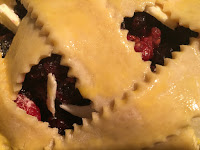 Right out of a 1950’s diner. Lava-like juices had bubbled through the lattice and cooled around the rim to a shiny, luscious deep purple. Flaky barely sweet pie crust, each bite filled with Olallieberry goodness.
 ancient, tiny nun. I described all that had happened the day before. I had some fearsome faith back in the day. I probably thought she could pull up some Catholic mojo and make my grandmother better. I could barely get the words out to explain what I knew, what would be the undoing of my little family. Fanny was the light at the center of everything.
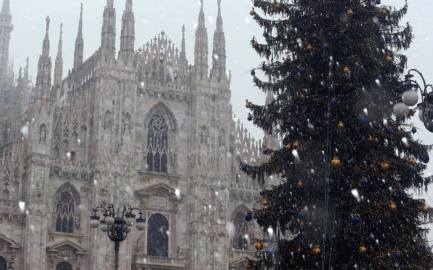
 That first Christmas came three weeks after her death. I prayed even harder to the baby Jesus tucked in his tiny manger under the watchful eyes of His parents, nestled in the crisp white sheet at the bottom of our Christmas tree. With twinkling lights and shimmering tinsel, ornaments reflecting its surrounds, our tree stood tall and alone in the corner of our living room. Each evening in the quiet before bed I knelt before the tree. I prayed to atone for Fanny’s death. I hadn’t been good enough in God’s eyes to save her.
 operated believing I wasn’t good enough. The ultimate judgment had been rendered and a life was lost. I saw it all in the rearview mirror and was shocked by the depth of the belief, the decision made as young girl based on a teacher’s words.
 Hard leather soles make an unmistakable sound scuffling across an old wood floor. There’s a sharp clunk if the back slides off the heel and a little shuffling sound, because slippers are often extra roomy. My grandfather’s were.
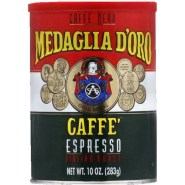 Medaligia D’Oro.
 Scappa via
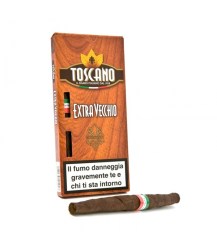 American Social Club.
 gas stove that still had a cubby for burning wood, and twirl her to him. He’d grab her in dance stance, and lead her around the kitchen floor while singing, Arrivederci, Roma. She resisted every step.
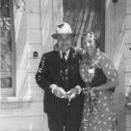 Though Peter lived into his mid-80s, Fanny did not. By 70 she was gone. Four years older than I am now. Did she know what was to come and committed to using her time wisely, with love? I don’t know.
 Checking the Rearview Mirror